


Hair Care
How to Protect Your Hair From the Damaging Effects of Heat Styling
Aug
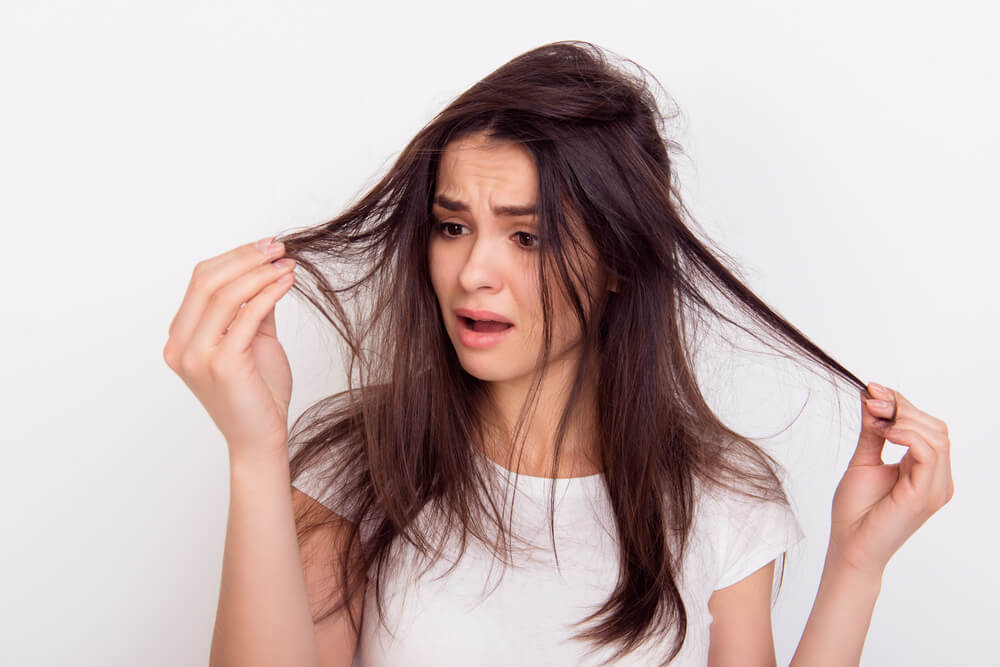
It’s no secret that heat styling can damage hair. From dryness and brittleness to split ends and breakages, the more you heat style, the more likely you are to experience some of the associated problems.
The good news? Damage isn’t necessarily inevitable when heat styling. Keep reading as Nubi shares some steps that you can take to give your hair enough protection to enable you to heat style your strands to perfection, without causing them any harm.
Always Apply a Heat Protectant
One of the most effective ways to protect your hair from heat damage is to use a heat protectant. These products are designed to coat each strand of hair and receive the full force of the heat that’s applied. If any burning happens to take place (although the rest of our tips will help you to avoid that!), it’ll only be your heat protectant, rather than your hair itself, that’s affected.
The best time to apply a heat protectant is while your hair is damp. Whether you use a spray, a cream, a mousse, or anything else, your heat protectant will have a much easier job adhering to damp, rather than dry, hair. You’ll also find it easier to evenly distribute your heat protectant through damp hair, ensuring consistent protection.
Never Heat-Style Damp Hair
Need to heat style in a hurry? No matter how late you may be running, always make sure that your hair is fully dry before you move in with your heated styling tool (of course, a blow dryer is the exception!).
Why is this so important? Because if there’s any moisture in/on your strands, applying all of that heat to it essentially causes that water to boil. This results in steam, which cracks the hair cuticles (the outer layer of hair). With wet hair already being more vulnerable to damage than dry hair, heat styling it will quickly lead to dullness, breakages, and other forms of damage.
Figure Out the Lowest Effective Temperature for Your Hair
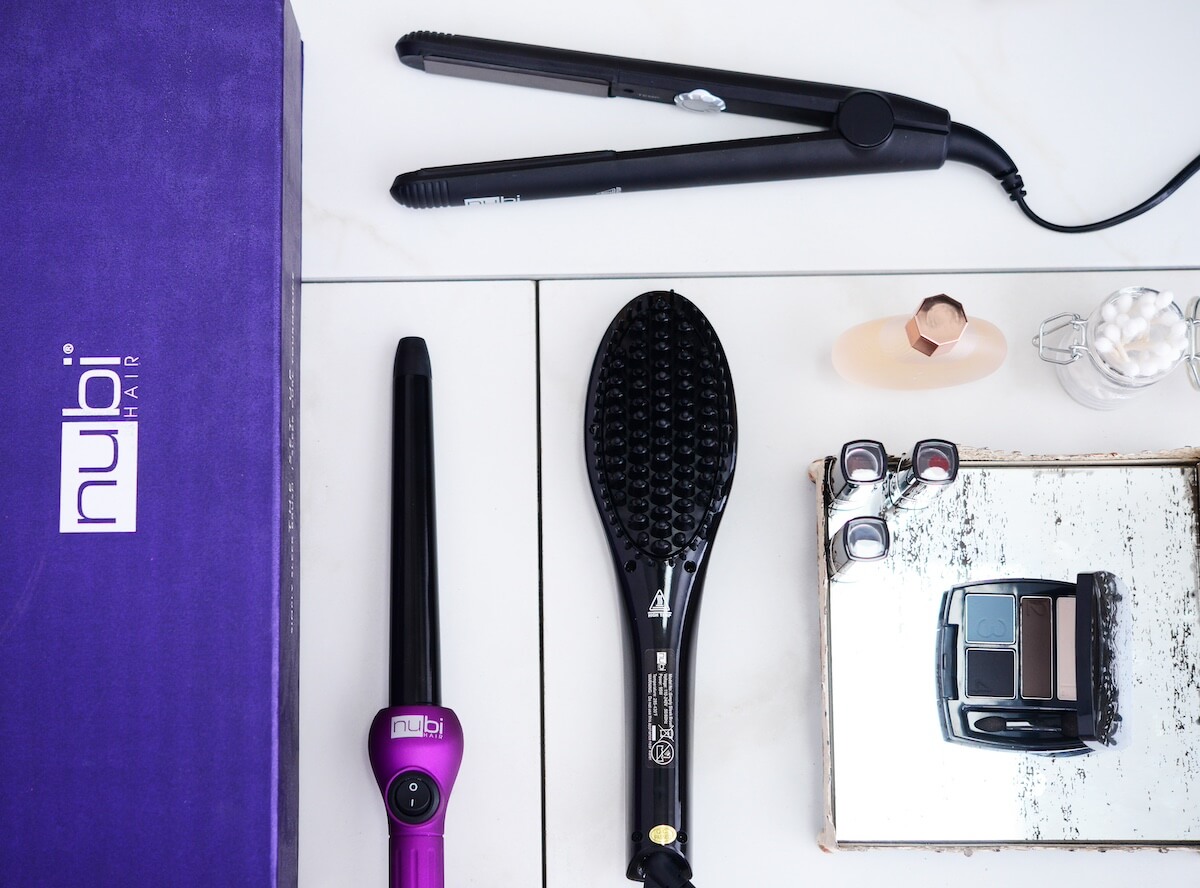
Most heated styling tools offer temperatures way above 400ºF. While many automatically crank their styling tools up to the highest heat setting before use, this could be causing a whole lot of unnecessary damage to your hair.
Your hair can tolerate a certain amount of heat. However, once temperatures start to rise above 356ºF, the hair cuticles crack and lift, resulting in damage.
The good news is that your hair is very unlikely to actually need quite so much heat. There’s a good chance that you’ll be able to effectively style it with a lower temperature – you just need to figure out what that temperature is. Start by making sure that your heated styling tool has an adjustable temperature dial, just like Nubi’s heated styling tools do. Then, set your tool to a low temperature and try styling your hair. If that’s not enough heat, increase it slightly, and keep doing this until you’ve found the perfect temperature for styling your hair without damaging it.
Aim for the ‘One and Done’ Rule
Once you’ve found the perfect temperature for heat styling your hair, you should aim to follow the ‘one and done’ rule. This means only applying heat to each section of your hair once.
If you’re someone who repeatedly passes your flat iron over the same section of hair, or curls a section of hair more than once, this may seem like a difficult rule to follow. However, it’s an important one. Repeatedly heating the same section of hair will weaken your hair shaft, causing your strands to turn brittle and more vulnerable to damage.
What happens if your hair doesn’t straighten or curl the first time around? Simply turn the heat up a bit. If you’ve followed our previous tip and figured out the perfect heat styling temperature for your hair, you won’t have this problem!
Opt for Ceramic Plates/Barrels
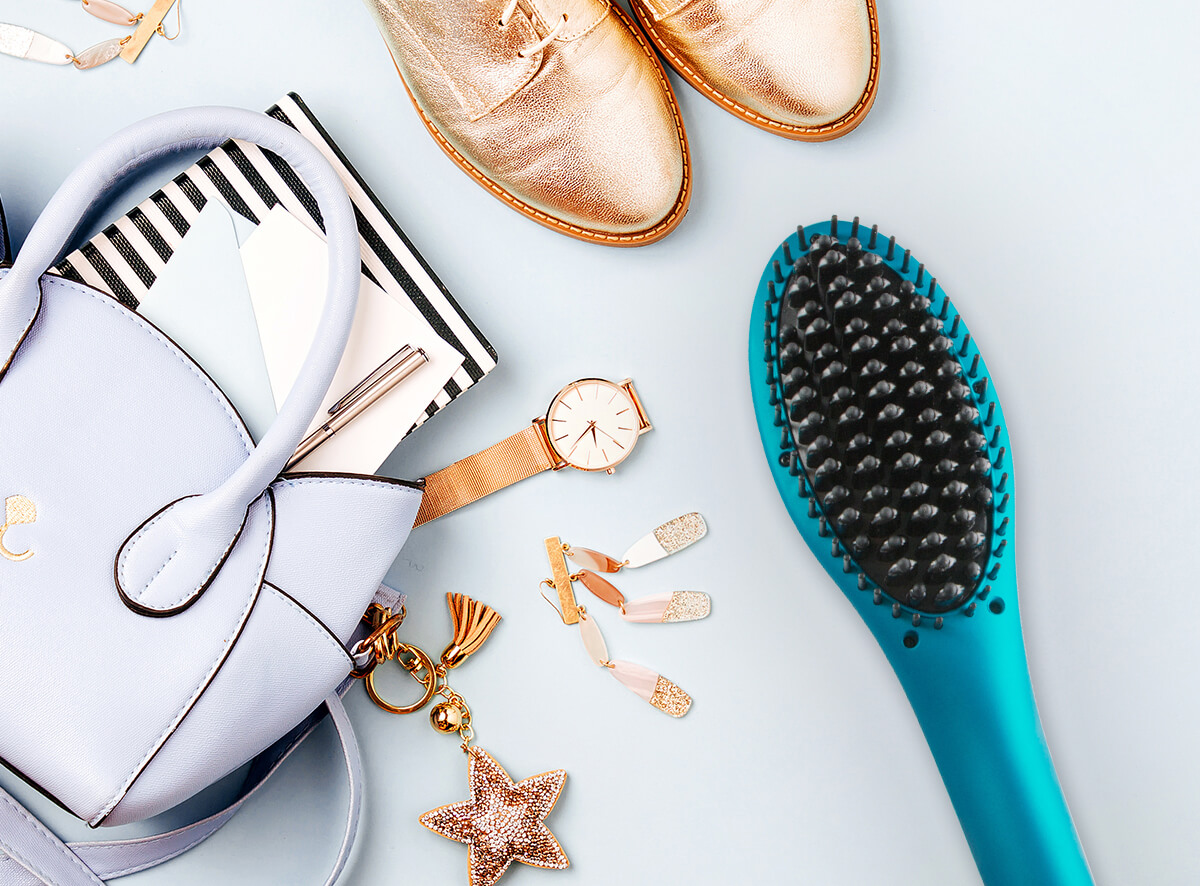
The plates and barrels on heat styling tools can be made from a number of different materials. Each has a slightly different effect on the hair. Some produce a more intense heat with hot spots in certain areas, while others, like ceramic, are known for being much gentler in nature.
This is why ceramic is the material of choice for many of Nubi’s heated styling tools, including the Simply Sleek Brush. With its ceramic surface combined with negative ion technology, you’ll be able to use this innovative hot brush to smooth and straighten your strands without inflicting damage.
Avoid Heat Styling Daily
While following our tips will help you to prevent the appearance of heat damage, even if you heat style daily, heat styling this often should be avoided. The more you heat style, the more you risk damaging your hair, so try to limit yourself.
How often can you safely heat style your hair? There’s no strict rule to this – everyone’s hair is different. However, if you find that you’re turning to your heated styling tools more than three times a week, you may want to explore some alternative options, such as heatless hairstyles, instead…for the sake of your hair!
Preserve Your Style While You Sleep
One way to save yourself from needing to heat style your hair daily is to preserve your style while you sleep. Wake up with hair that looks beautifully put together, and you won’t need to rely on your heated styling tools quite so often.
One of the most effective ways to do this is to wrap your hair in a silk scarf before hitting the sack. This will keep your strands together, preventing them from moving and tangling while you snooze.
If you find this to be uncomfortable, a silk pillowcase would be the next best option. Unlike cotton, silk doesn’t create friction when your hair rubs against it. This will help to keep your locks looking smooth and silky, rather than messy and frizzy.
Hold Your Blow Dryer a Safe Distance From Your Hair
People usually refer to tools like hair straighteners and curling wands when they talk about heat styling. However, let’s not forget that your blow dryer counts as a heated styling tool as well. Just like the other heated tools in your arsenal, your blow dryer is just as capable of causing damage, which is why you need to make sure that you’re using it correctly.
One mistake that many make is holding their blow dryer too close to their hair. Studies show that this concentrates the heat in one spot in a way that cracks the hair cuticles and exacerbates damage.
Instead, your blow dryer should be held about 15cm from your hair. Keep it moving continuously too – holding it still in one spot, even if it’s 15cm away, can cause that area to overheat and end up damaged.
Embrace the Versatility of Your Blow Dryer
Do you often blow dry your hair before following up with either a hair straightener or a curling wand? This is a common move, yet, for many, it’s completely unnecessary. Why? Because when used correctly, your blow dryer can act as a styling tool in its own right too, saving you from needing to use anything else afterward.
Sure, in many cases, a blow dryer may not achieve the same polished finish that your hair straightener or curling iron would. However, if curling or straightening your hair with your blow dryer means that you don’t have to apply additional heat to your hair, it’s worth a try!
Focus on Your Roots Instead of Your Ends
While all of your hair is vulnerable to heat damage, your ends are particularly so. Why? Because this is the driest part of your hair. Your roots are located right by your scalp, which produces a significant amount of oil. However, it then takes a while for that oil to travel down your strands, especially if your hair is curly. This means that the ends aren’t usually quite as moisturized as the roots, leaving them drier and more brittle.
With the ends of your hair so susceptible to damage, don’t go overboard when it comes to heat styling them. Opt for the bare minimum, focusing on your roots instead.
Have Regular Trims
If the ends of your hair are already looking a little damaged, the only way to fix this is to trim them off. That damage will only intensify if you continue heat styling them, leaving your entire mane looking frizzy and unkempt.
Ideally, you should have a trim every six to eight weeks. This will give you much healthier ends, meaning that they’ll be less prone to heat damage in the future.
Deep Condition Weekly
The healthier and more hydrated your hair is, the more resilient it will be when faced with excessive heat. A solid hair care routine will help you to give your hair what it needs, but make sure that this includes weekly deep conditioning.
Even if you condition your hair after shampooing it, a deep conditioner provides even more support. These products are loaded with rich and highly moisturizing ingredients. These are exactly what your locks need if you heat style them regularly.
Leave-in conditioners can be useful as well. In fact, some formulas even double up as heat protectants, although you may want to use a lighter heat protectant around your scalp.
Damage-Free Heat Styling
It’s very possible to heat style your hair without damaging it, so long as you take the right precautionary steps. Follow the advice that we’ve shared above and you’ll be able to rock a mane that looks and feels beautifully healthy, even if you regularly heat style.
Click here to explore more bestselling hair care and heat styling products from Nubi.