


Hair Care
Haircare for Different Seasons: What You Should Know
Nov
Did you know that your hair and scalp go through a number of changes with each new season? Each time they experience a drastic shift in environmental conditions, be that sun exposure, humidity, or temperature, their needs evolve. As a result, your haircare habits should adapt along with them.
What does seasonal haircare actually involve? Keep reading as Nubi talks you through everything you need to know.
Haircare in the Fall and Winter
The colder months bring with them dry air and bitter temperatures, both of which don’t do any favors for your hair. The lack of humidity speeds up moisture loss, leaving hair feeling dehydrated and brittle. Breakages are more common in the winter, which isn’t helped by the fact that your hair ends up roughly tossed around each day by strong winds.
If you want to keep your hair feeling healthy throughout the colder seasons, here are some hair care tips to keep in mind:
A Gentle, Moisturizing Shampoo is a Must
The scalp produces less sebum in the winter than it does in the summer. As a result, you won’t need such a powerful shampoo. This can actually cause more harm than good as your scalp needs to preserve its sebum in the winter months.
Instead, switch to a gentle, moisturizing formula. You want a shampoo that’s going to effectively clean your strands without completely stripping them of sebum. Those natural oils lubricate and condition your locks, so you want to keep them around in the colder months.
Cut Back on How Often You Wash Your Hair
Switching to a gentler shampoo may not be enough to maintain optimum sebum levels in your scalp and hair. This is why you should also consider cutting back on how often you wash your hair once the weather starts turning cooler. Ideally, you want to give the sebum produced by your scalp enough time to travel down to the ends of your hair before you turn to a shampoo.
When you do shampoo your hair, avoid doing so with hot water. Sure, this may feel more comfortable in the colder months but hot water melts away sebum, meaning that all of your efforts to preserve that natural oil will be in vain.
Rich Conditioners and Masks are Essential
With your hair lacking in sebum in the colder months, replenishing your strands is vital. This is particularly important after you shampoo your hair. Until your scalp is able to produce more sebum to replace what you’ve just removed, you’ll need to compensate for this by conditioning your locks.
Richer conditioners are what you need in the colder seasons. Hair masks can be very useful too. These tend to be even more intense than a conditioner, making them a great weekly treat for your mane.
Turn Down the Temperature of Your Styling Tools
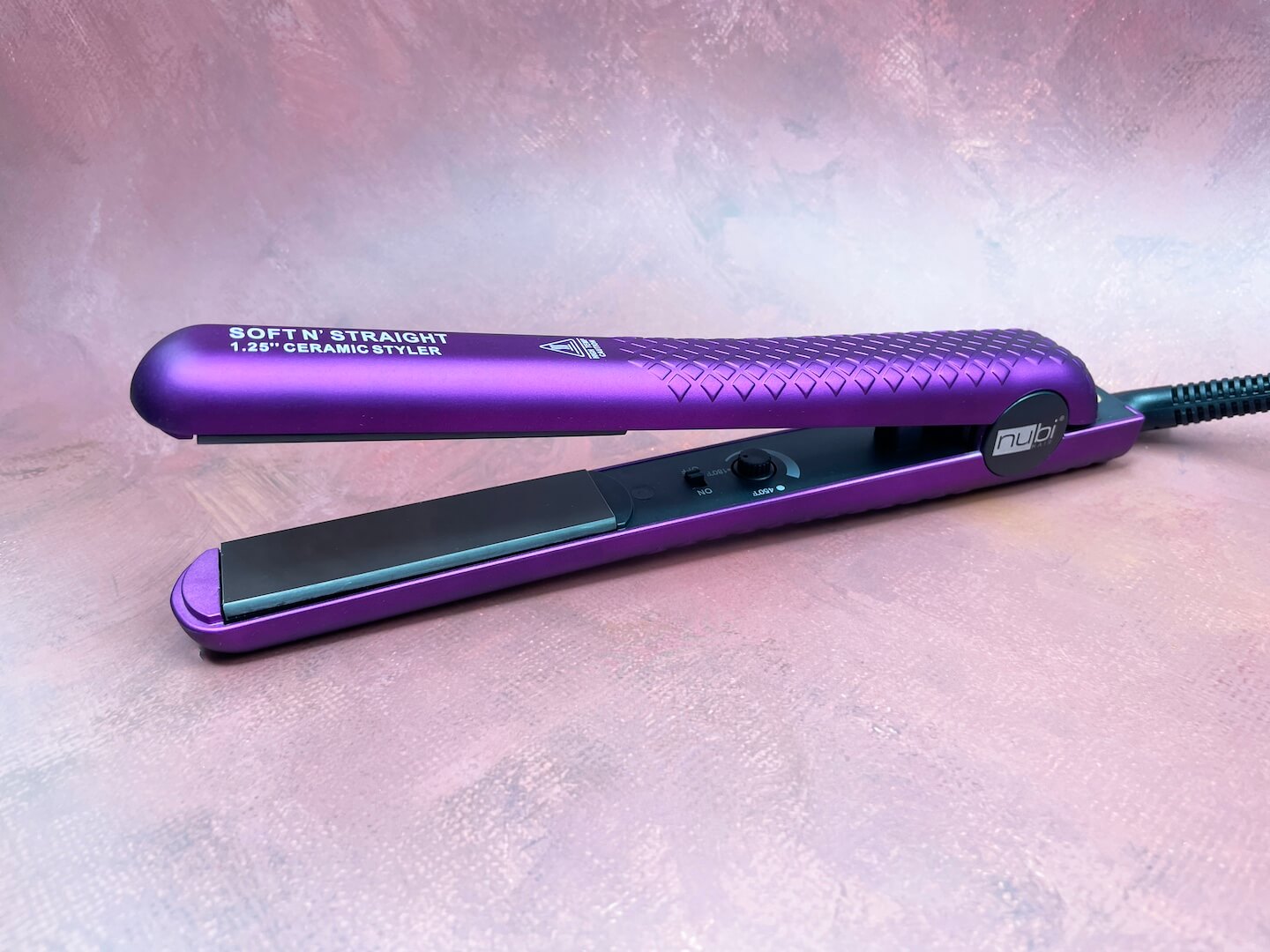
With your hair being so brittle and delicate in the winter months, the last thing that you want to do is further damage your strands. Sadly, each time you heat style your hair, this is exactly what happens.
Don’t worry – this doesn’t mean that you have to give up your heated styling tools each fall and winter. Instead, invest in tools that allow you to control the temperature, just like the Nubi Soft N’ Straight 1.25” Ceramic Purple Styler. Turn the heat down low in the colder months so that you’re able to style your hair without causing too much damage. Keep your locks protected with a heat protectant too and any damage will be kept to a minimum!
Give Your Scalp Some TLC
It’s not just your hair that can easily end up dry and dehydrated in the winter months. Your scalp experiences the same conditions. Sure, it contains more oil than your hair itself but this is often not enough. As a result, flakiness is a common scalp issue during the cold season.
What can you do about this? Try incorporating a scalp scrub into your haircare routine. This will get rid of any flakes while also leaving your scalp feeling revitalized. Regular scalp massages can help too. These will boost circulation in your scalp, which will soon have your scalp feeling much healthier and capable of functioning to its full potential.
Protection From the Winter Elements
There’s no denying that the lack of humidity in winter air is a problem for your hair. However, the cold temperatures and high winds can be just as problematic too. There aren’t many haircare products out there that can help with this, which is why you may need to take some steps to provide additional protection to your mane.
How? The easiest way is to shelter your hair with a hat or a scarf. This will provide a physical barrier between your hair and the winter elements. Protective hairstyles work very well too. The likes of braids and buns reduce the surface area of your hair that’s in contact with the elements. Sure, the exposed sections of your hair will still have to deal with the brunt of the weather but the majority of your strands will be safely tucked away.
Haircare in the Spring and Summer
In some ways, haircare in the spring and summer can be much easier than haircare in the winter. As the temperatures and humidity rise, sebum production increases too. This means that your hair will have an easier time keeping itself conditioned. However, the downside to this is that it often doesn’t take much for hair to turn greasy. All of that extra moisture in the air can also contribute to frizz.
Here are the haircare tips to keep in mind once the colder season passes and the weather starts to warm up:
Spring Clean Your Hairstyle
Ideally, you should be getting your hair trimmed every 6-8 weeks. However, if you’re long overdue a trim, spring is the perfect time to give your locks a fresh start. During the colder season, hair shedding can sometimes increase and your hair will also be more prone to split ends. Snipping all of this damage and loose hair away will give you a whole new look!
With that said, make sure that you pick a hairstyle that’s suitable for the warmer months. If you tend to feel hot easily and sweat a lot, you don’t want a style that’s going to see your hair spending months plastered to your neck. Choose a breezy hairstyle with plenty of movement, or one that’s easy to tie back.
Switch to a Lighter Conditioner
Earlier, we mentioned how your hair needs extra replenishment in the winter months, which is why a rich conditioner can be useful. However, once the summer rolls around and your hair is doing a better job of keeping itself conditioned, you’ll be able to tone things down a bit.
In the warmer months, a lighter conditioner is likely all you’ll need unless your hair is severely dry or damaged. Take extra care not to apply your conditioner to your scalp at this time of year too. If it mixes in with the high levels of sebum that your scalp is now producing, your hair will be left looking limp and greasy.
Consider a Clarifying Shampoo
Even if you switch to lighter hair care products in the spring and summer, it still doesn’t take much for buildup to occur on the scalp. This is often exacerbated by the heavier products that are used in the winter months. As a result, it can often be beneficial to switch to a clarifying shampoo once spring arrives.
Not only will a clarifying shampoo take care of any buildup on your scalp and strands, but it will also give your hair a deeper cleanse, removing any allergens. Spring is rife with pollen and other such allergens, which, if you’re prone to allergies, can leave your head feeling itchy and irritated. Using a clarifying shampoo every once in a while will help to prevent this.
Sun Protection is Everything
It’s no secret that UV rays cause damage year-round. However, they’re at their strongest in the summer months, meaning that this is when you need to pay extra attention to protecting your mane from the sun.
There are different ways to do this. Some choose to apply hair SPF products. These can be undeniably beneficial but, sometimes, using additional haircare products in the summer can leave your hair feeling weighed down. If this is the case, consider a physical barrier instead. A wide-brimmed hat will help to shelter your locks, as will a scarf tied around your hair. Again, just like in the winter months, protective hairstyles can help too.
Invest in Frizz-Fighting Products
While the higher humidity levels in the spring and summer may prevent the feeling of dryness and dehydration, the downside to this is that frizz often increases. If your hair is dry and the air around you is moist, all of those dry strands will start reaching upward and outward in an attempt to latch onto some of that moisture. This will leave your hair looking fluffy and frizzy.
To counter this, make sure that your haircare routine contains plenty of hydrating ingredients. The more hydrated your hair is, the less it will frizz up. If your conditioner isn’t giving your strands all of the hydration that they need, consider investing in a hydrating serum. Ideally, apply this to your hair while your hair is wet. This is when it’s most permeable, enabling it to really soak up all of the hydrating ingredients that you’ve just applied.
The Importance of Seasonal Haircare
As you can see, your hair has to deal with a number of different changes as each new season comes and goes. Sure, you could ignore these and keep your haircare routine the same year-round, but this won’t be doing your strands any favors. If you want your hair to thrive and truly look its best, no matter the time of year, it’s so important that you adjust your haircare habits as the seasons evolve, ensuring that you’re continuing to give your mane all that it needs as the year progresses.
Click here to boost your haircare routine with more bestselling products from Nubi.